
Industries
Restaurants and hospitality
Host stands, bar fronts and tops, booth bases and service stations for distinctive restaurants, built to take nightly abuse.
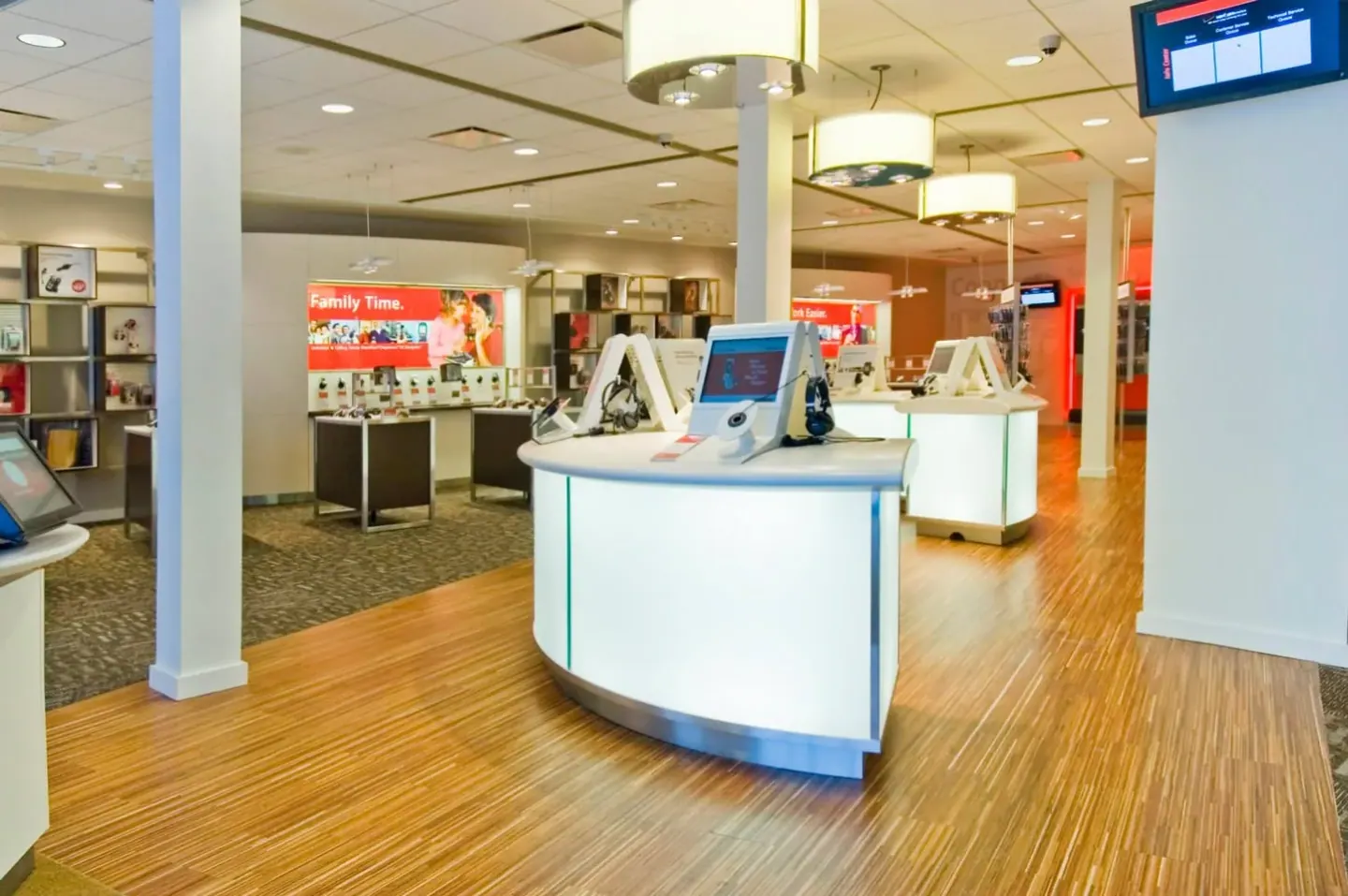
Learn moreStore fixtures, cash wraps and display programs built in Barberton, Ohio to one spec, then crated, shipped and installed for store openings across the country.
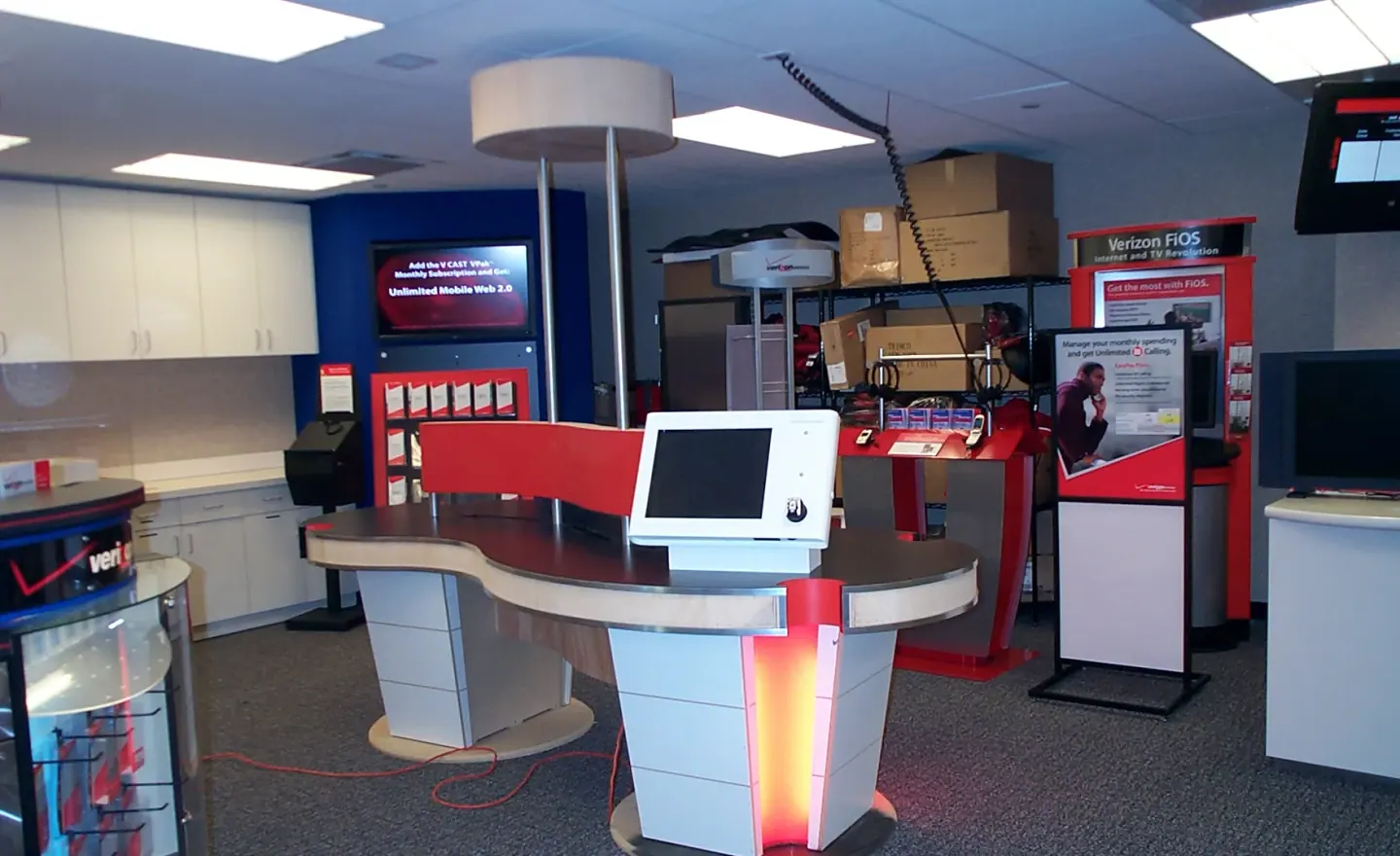
A rollout lives or dies on repeatability. The tenth store has to get the same cash wrap as the first, with the same reveal, the same grommet location and the same laminate pattern running the same direction. We build store fixtures in Barberton, Ohio for retail construction managers and fixture buyers who need exactly that. Our engineering team draws every piece in Cabinet Vision and AutoCAD, and the CNC router cuts parts from those files, so store forty comes off the same program as store one. Nobody on our floor is reading a tape measure off a marked-up print. That matters most on pieces with curves and cutouts, like round demo kiosks, serpentine counters and lighted service desks, where a hand-built copy never quite matches the original. A machine program does. It also means a fixture we built two years ago can be rebuilt now for a new store or a remodel, because the files are still on our server.
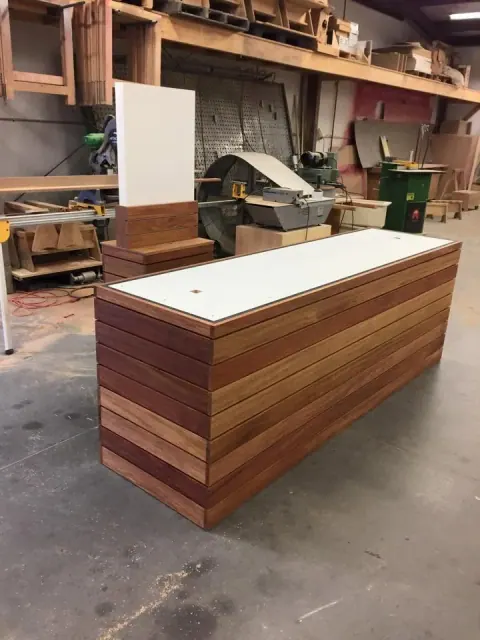
Most programs start with a prototype, and we think that money is well spent. Build one, set it on our shop floor or in a real store, and let the merchandising team put product on it. Problems found at this stage are cheap: a shelf that sits a half inch low for the packaging, a door that hits a column, a power grommet in the wrong spot. The fixture and logistics people who write about rollouts say the same thing. Small interface errors repeat at every store, so the drawings should be fixed before the run starts, and field problems should update the plan for the stores that haven't opened yet. We'd also rather talk about value engineering at the prototype stage than after store ten. If a solid-surface top can become laminate on the back side, or a custom pull can become a stock one without anyone noticing, the prototype is where to prove it. A change after the run starts costs every store.
Then there's the date. A store opening is set months out, the lease clock is running, and fixtures are often the last trade in before the merchandise. One late shipment can push back a whole string of openings. We plan production backward from the in-store date, stage the parts, and ship complete store sets so a crew isn't standing around waiting on one missing gondola end. We build, ship and install nationally, so one company owns the fixture from the shop drawing to the punch list. Every location has its own permit timing, landlord rules and general contractor, so we confirm each site is ready before its truck leaves Barberton. A store that slips doesn't drag the rest of the program with it.
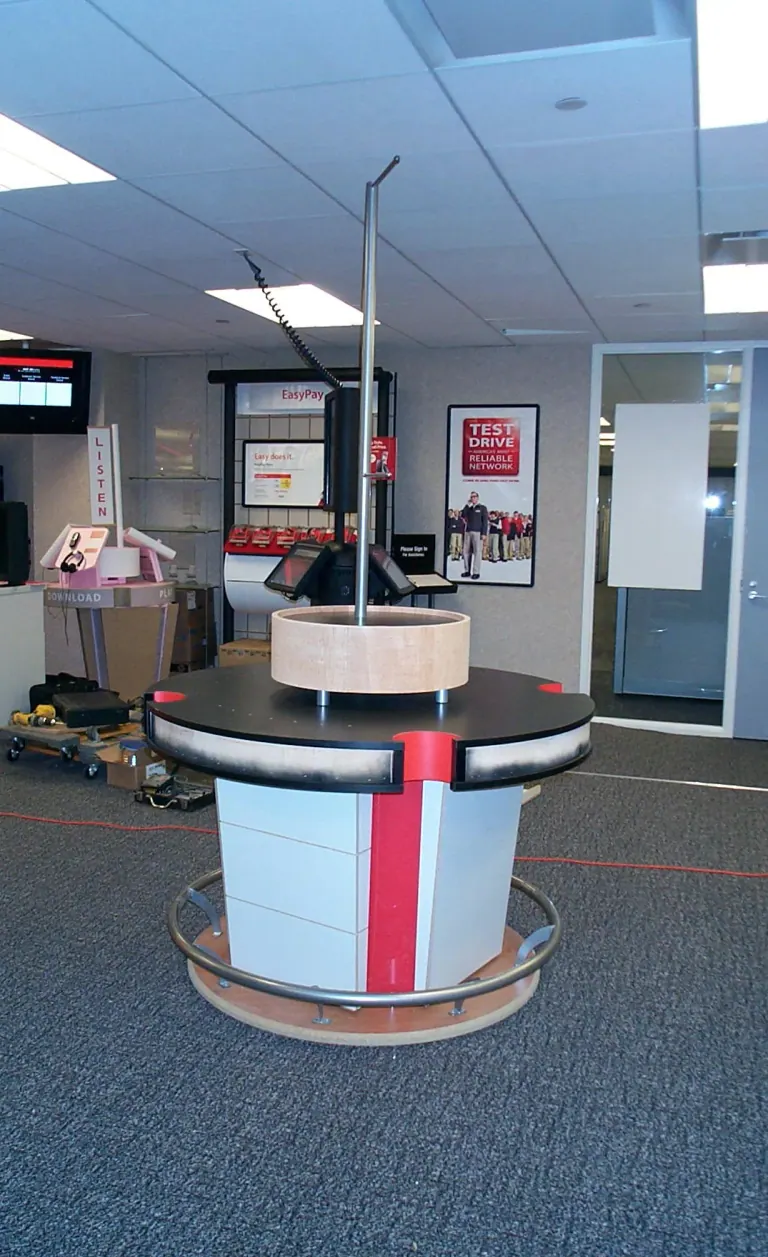
We start from your design intent or the brand's fixture package and turn it into a complete bid package: shop drawings, material and hardware schedules, and the coordination notes the GC needs for power, data and blocking. Materials are whatever the spec calls for. We work in plastic laminates, solid surface, glass, acrylic, architectural metals, domestic and exotic veneers and hardwoods, and composites, and we do our own laminate and veneer panel work. If a material is going to cause trouble at volume, like a finish with long lead times or a hardware item that's hard to buy in quantity, we say so during estimating and propose an approved alternate, so one supply problem doesn't stall the program. For curved or lighted pieces we also detail how the fixture splits for shipping, where the joints fall and how power runs between sections.
Shipping is part of the build. Each fixture gets crated or wrapped for the trip it's taking, and every piece is labeled by store, fixture type and plan location. Logistics firms that run these programs recommend staged, sequenced deliveries over one mass shipment, and no delivery until the site is ready. We agree. When a store's power or walls aren't ready, we hold that set and keep the others moving. We also label for the person opening the crate, not the person packing it. One more note on cash wraps and service counters: the 2010 ADA Standards require at least one of each counter type to have an accessible portion no higher than 36 inches, at least 36 inches long for a side approach or 30 inches long with knee and toe clearance for a front approach. We draw it into the prototype so every store gets it right.
Host stands, bar fronts and tops, booth bases and service stations for distinctive restaurants, built to take nightly abuse.
Learn more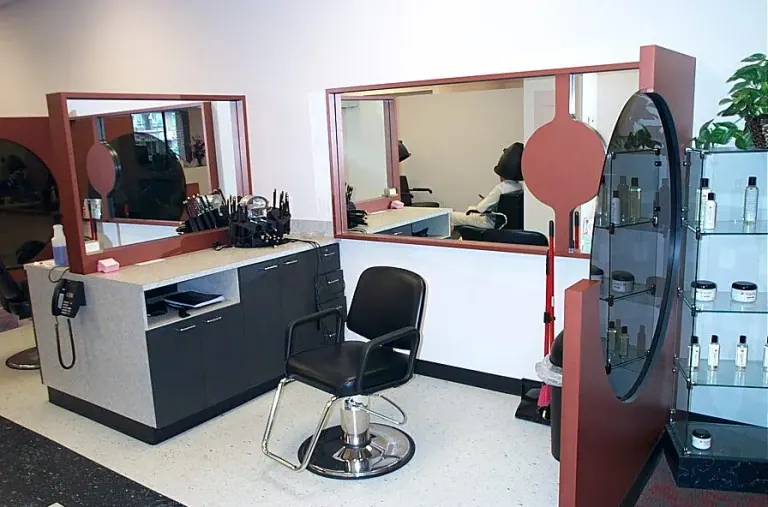
Styling stations, shampoo-bowl cabinetry, reception counters and retail product walls built to live with water and hair color.
Learn more